EarthFeast – Developing Market Access and Ecotourism Solutions for the Organic Rice–Shrimp Farming Model
-1200x675.jpg)
From the “Tôm lúa nhà mình” app to the “One Day to be a Farmer” experience in Long Hòa Island commune
Preserving the nature-based rice–shrimp farming model in Long Hòa island commune
Long Hòa island commune, Vĩnh Long Province, is an area with distinctive natural conditions typical of the coastal Mekong Delta, where water conditions change seasonally: approximately six months of freshwater and six months of saline water each year. Based on this natural cycle, local communities have developed a nature-based farming model: rice cultivation during the freshwater season and shrimp farming during the saline water season.
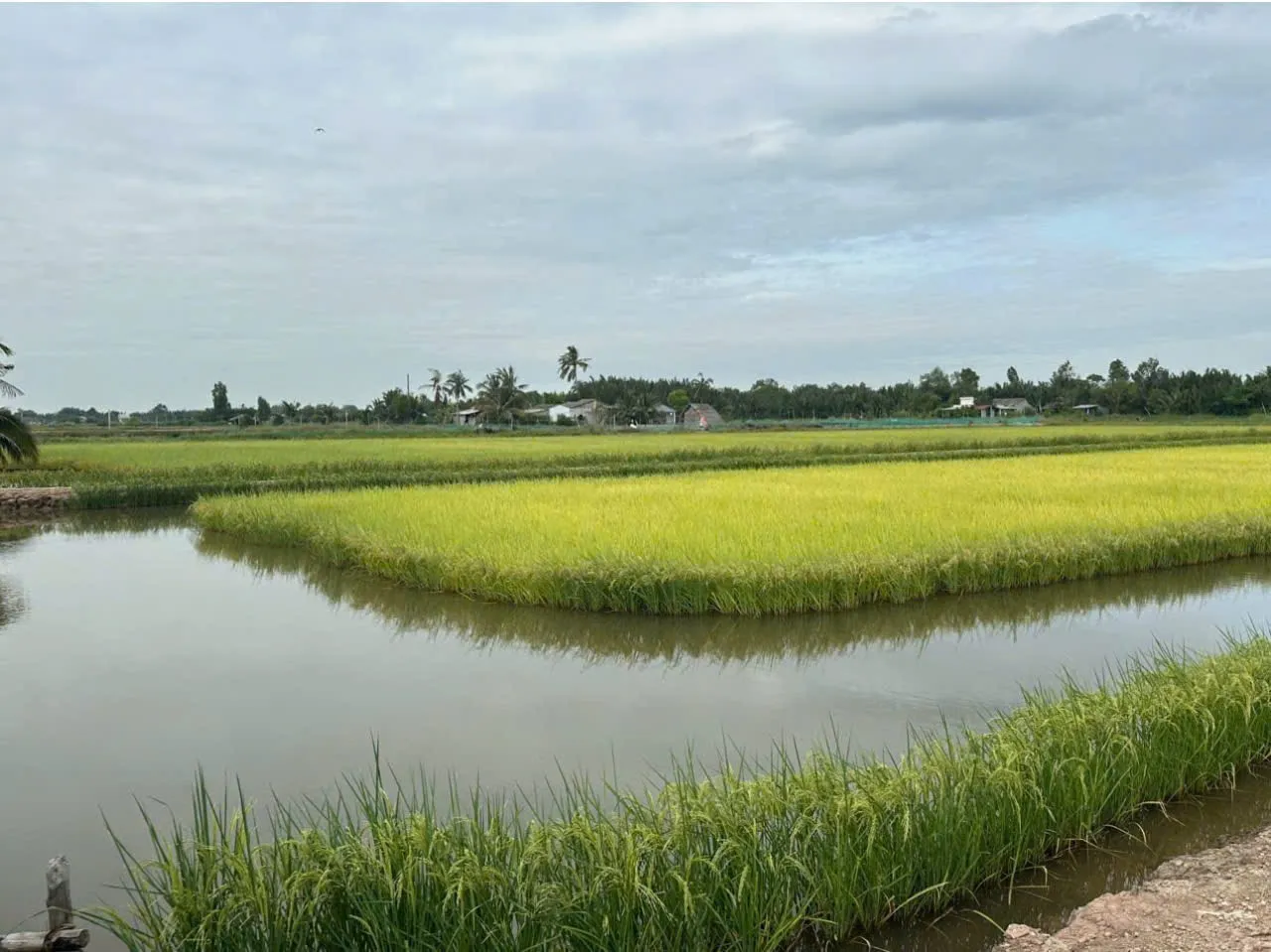
The rice–shrimp farming model in Long Hòa island commune is not only well suited to local natural conditions but also oriented toward organic production, reducing dependence on chemicals and making use of the natural rhythm of the soil–water ecosystem. This is a sustainable agricultural practice that adapts to saline intrusion and climate change, while also producing products with high environmental and health value.
However, despite its many benefits, the organic rice–shrimp model still faces significant challenges in market access. Since household production volumes are not as large as those of high-tech shrimp farms, local farmers are often in a weaker position when negotiating prices and are vulnerable to price pressure from local traders. Unstable prices, limited sales channels, and the lack of a strong local brand mean that many households have not received the value they deserve from the nature-based farming model they continue to maintain.
Under economic pressure, some households tend to shift toward industrial shrimp farming in the hope of achieving higher yields. However, this model also comes with considerable risks, including high investment costs and strong dependence on technical management, electricity, feed, chemicals, and stable pond conditions. If the aquaculture environment fluctuates, the risk of failure can be high. In the context of climate change and increasing water-related risks, abandoning the nature-based rice–shrimp model could mean losing a sustainable livelihood approach that has long been closely connected to the local natural conditions.
From this reality, EarthFeast, a group of students from Tra Vinh University, aims to contribute to preserving and further developing the organic rice–shrimp farming model in Long Hòa island commune. Instead of replacing this nature-based model with high-risk industrial production, EarthFeast has chosen to enhance the value of local products through digital transformation, traceability, market access, and ecotourism.
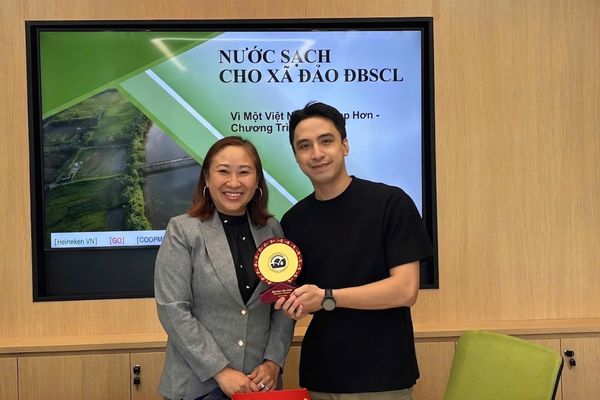
The project was accompanied by STARS Water Center throughout the process of idea development, practical connection, and solution design, with a focus on community livelihoods, water resource management, and climate change adaptation.
“Tôm lúa nhà mình” app – Connecting farmers with the market
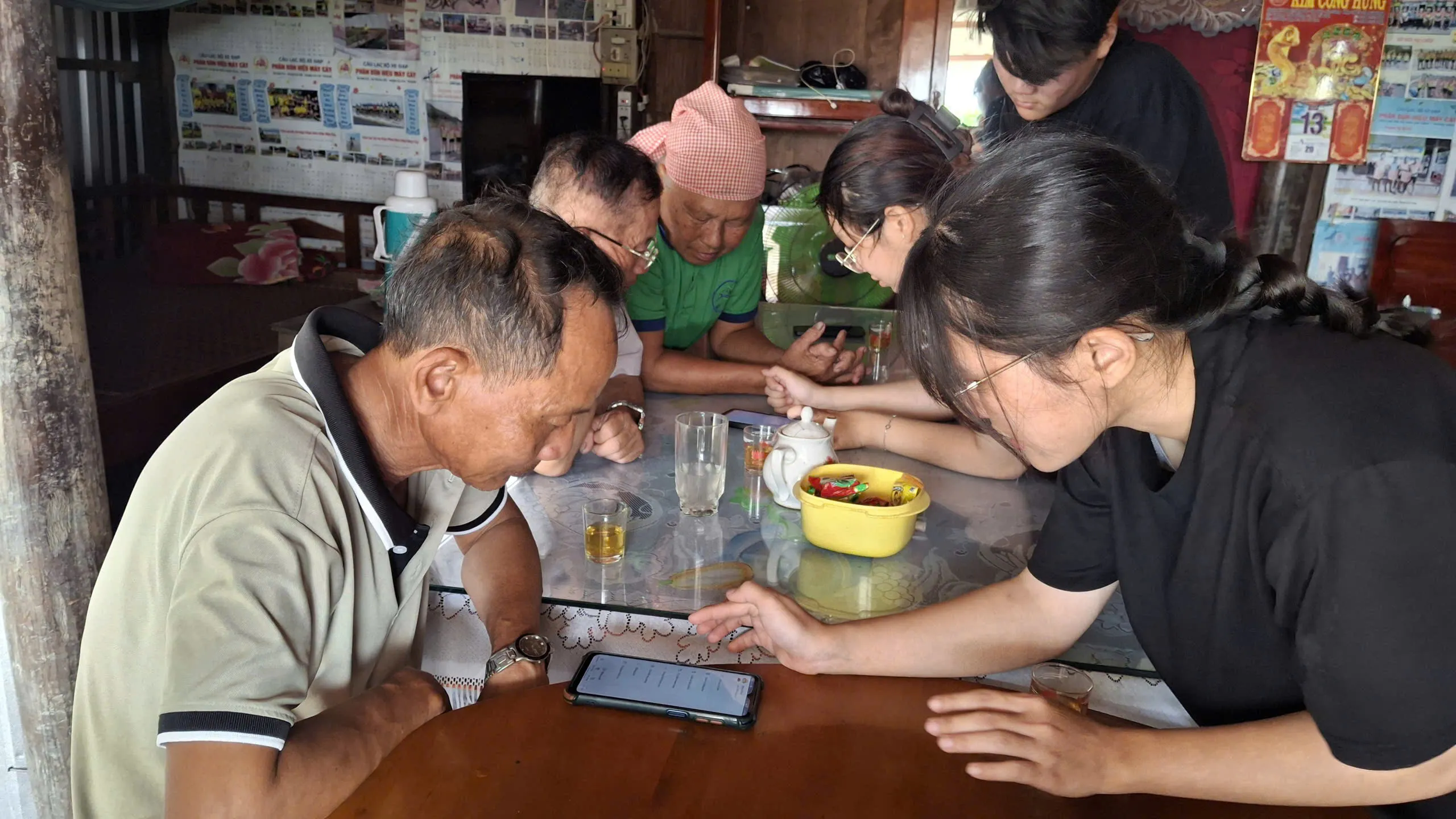
In response to farmers’ market access challenges, EarthFeast developed the “Tôm lúa nhà mình” app as a platform to directly connect farmers with buyers, including consumers, restaurants, sustainable food suppliers, and partners interested in safe agricultural products.
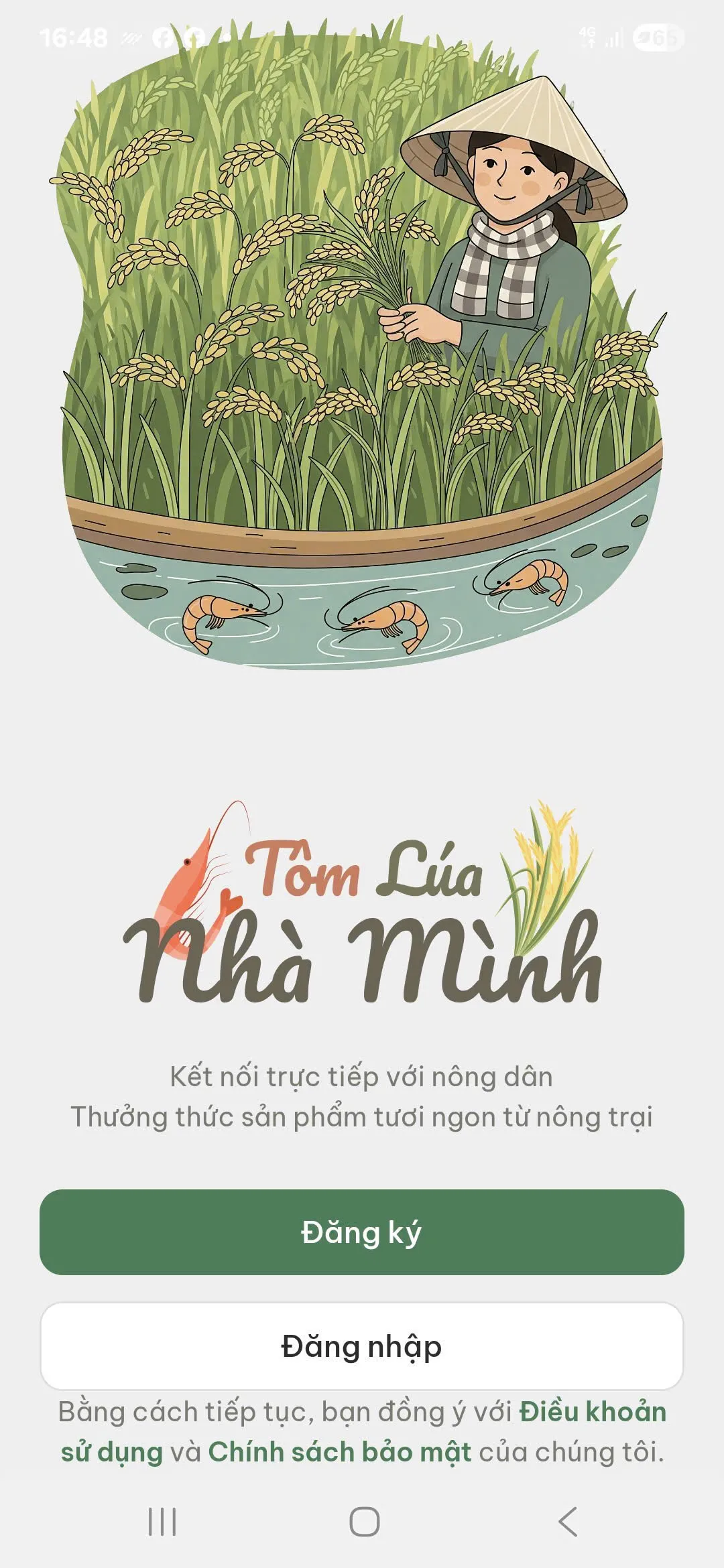
The app is envisioned as an online marketplace combined with a farm management tool, enabling farmers to take a more proactive role in promoting their products, updating production volumes, tracking prices, managing orders, logistics, and payments. Through this platform, local farmers can reach a wider range of customer groups, reduce their dependence on local traders, and minimize risks caused by price fluctuations.
In addition to its buying and selling functions, the “Tôm lúa nhà mình” app is also designed to integrate QR code-based traceability. This feature allows consumers to better understand the production process, farming area, organic farming standards, and the stories of the farmers behind each product. It is an important factor in enhancing transparency across the supply chain, building customer trust, and increasing the value of local organic rice–shrimp products.
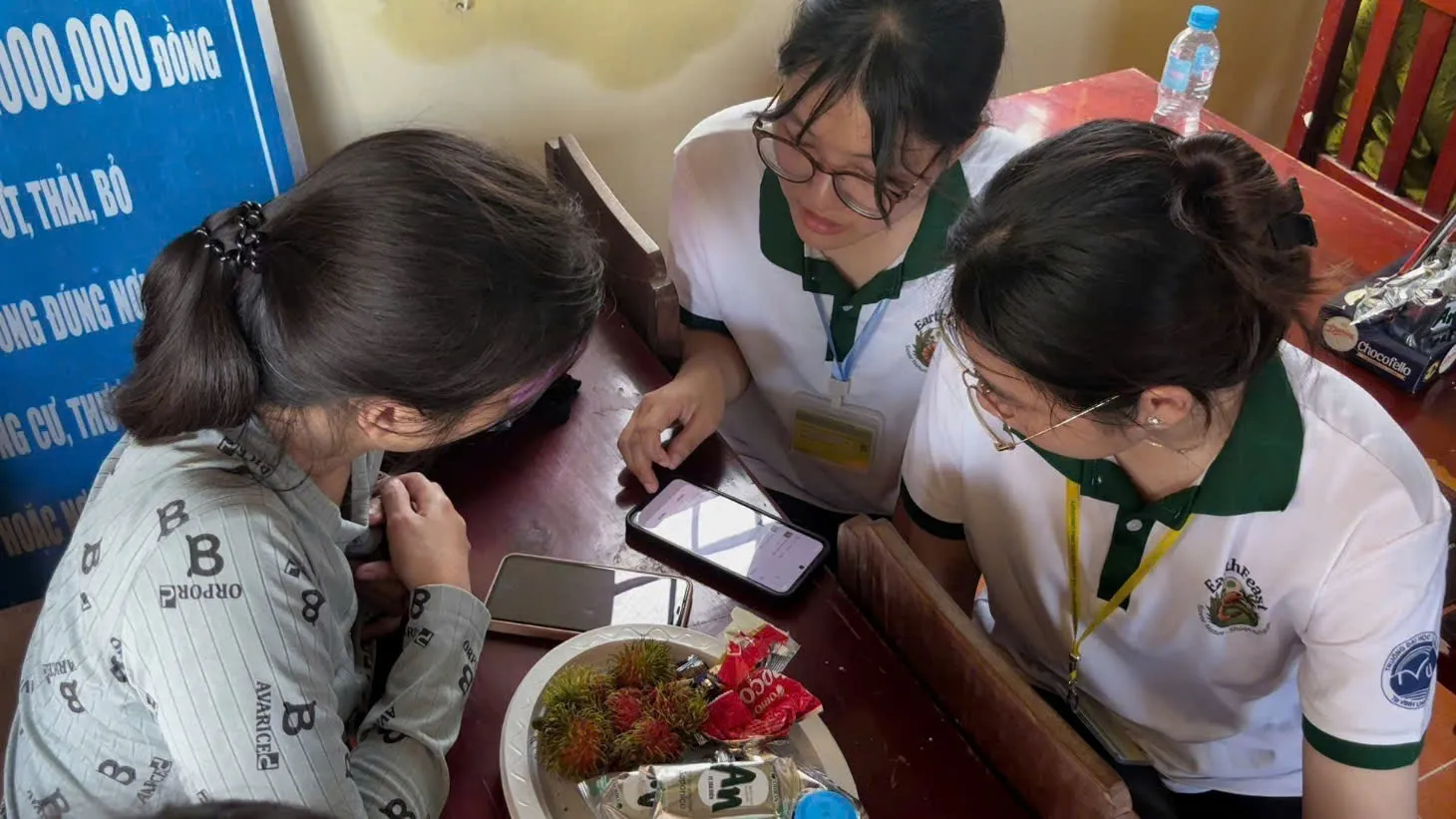
Through this digital platform, EarthFeast expects not only to support commercial transactions but also to help tell the story of the nature-based farming model in Long Hòa island commune — where farmers live in harmony with the rhythm of saline and freshwater seasons, creating products through a balanced adaptation to nature.
“One Day to be a Farmer” ecotourism experience in Long Hòa island commune
In addition to the “Tôm lúa nhà mình” app, the EarthFeast team also developed an ecotourism model linked to nature-based agriculture through the “One Day to be a Farmer” experience in Long Hòa island commune.
-1.webp)
During the program, visitors have the opportunity to step into the role of farmers through hands-on activities such as learning about the rice–shrimp farming model, sowing rice seedlings, catching shrimp, crabs, and fish in the pond, preparing dishes from local products, and participating in traditional cultural activities.
These experiences help participants gain a deeper understanding of farmers’ production practices, the value of local products, and the harmonious relationship between people and nature.
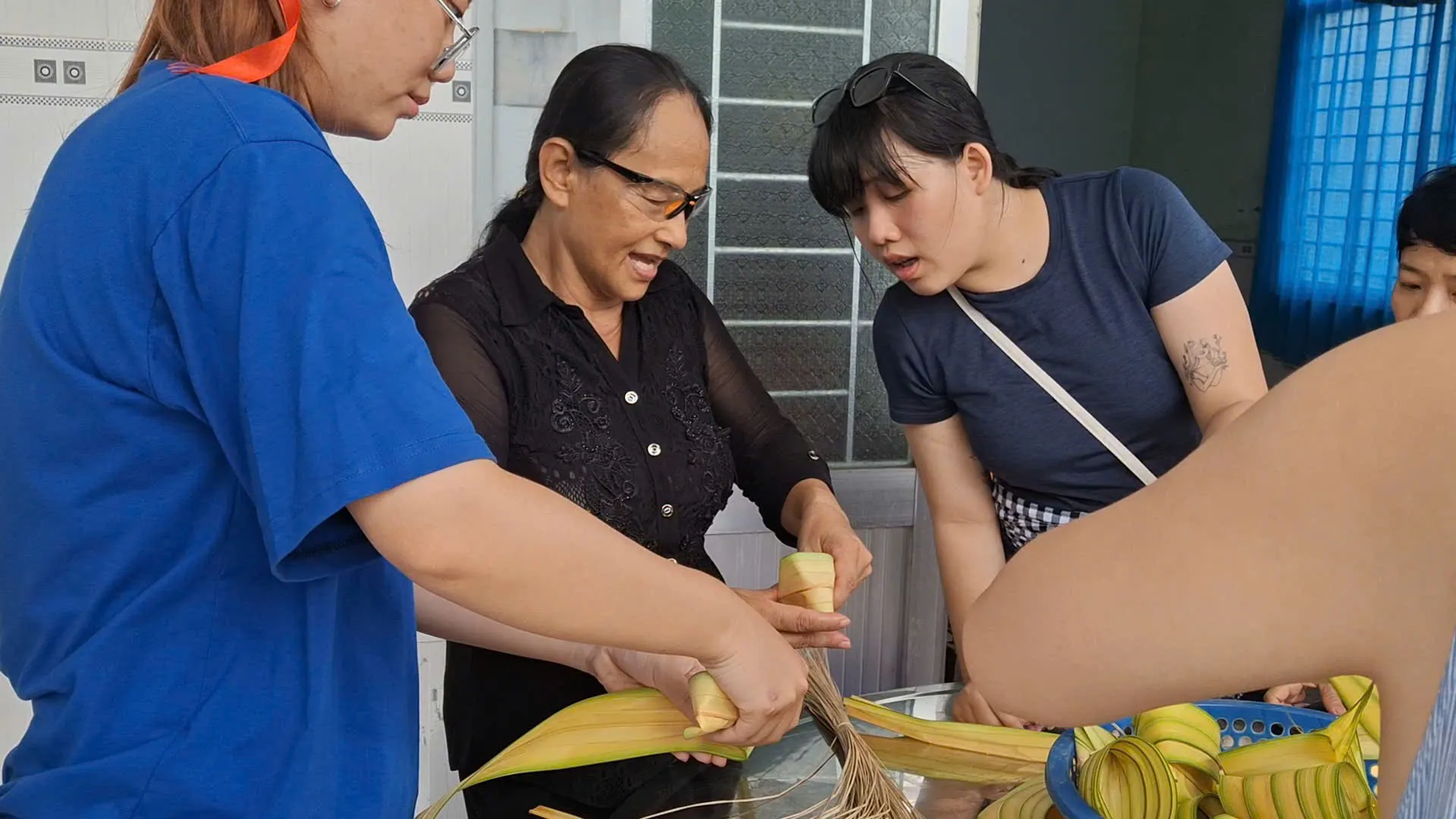
The “One Day to be a Farmer” activity is not only an experiential tour, but also an applied research model with practical significance. By combining agricultural production with ecotourism, EarthFeast aims to create additional income opportunities for local farmers, promote local agricultural products and culture, and encourage young people to participate in the development of sustainable agriculture.
The rice–shrimp model is introduced as a form of nature-based farming that makes use of the natural characteristics of the coastal Mekong Delta: rice is cultivated during the rainy season, while shrimp are farmed during the dry season. This approach not only produces clean agricultural products but also helps protect the soil–water ecosystem, reduce reliance on chemical inputs, and strengthen adaptation to seasonal changes between freshwater and saline water conditions.
Ecotourism also helps shorten the distance between consumers and producers. By directly experiencing the production process, visitors can better understand the value of the organic rice–shrimp model, thereby strengthening their trust in local products and supporting environmentally friendly agricultural practices.
Linking innovation with climate change adaptation
EarthFeast’s initiative reflects the innovative spirit of Tra Vinh University students in addressing practical challenges in the Mekong Delta. Instead of focusing on a single issue, the team developed an integrated model that connects digital transformation, nature-based agriculture, traceability, local branding, ecotourism, and community development.

In the context of climate change, saline intrusion, and freshwater scarcity increasingly affecting coastal areas, the rice–shrimp model demonstrates strong adaptive capacity based on natural conditions. However, for this model to develop sustainably, farmers need support not only in production techniques but also in market access, branding, and the ability to reach consumers.
STARS accompanies young initiatives for sustainable development
STARS Water Center – Tra Vinh University recognizes and congratulates the efforts of the EarthFeast team in developing an initiative for sustainable food systems in the Mekong Delta. From the “Tôm lúa nhà mình” app to the “One Day to be a Farmer” experience, EarthFeast has helped showcase a generation of dynamic, creative students who are deeply connected to local communities.
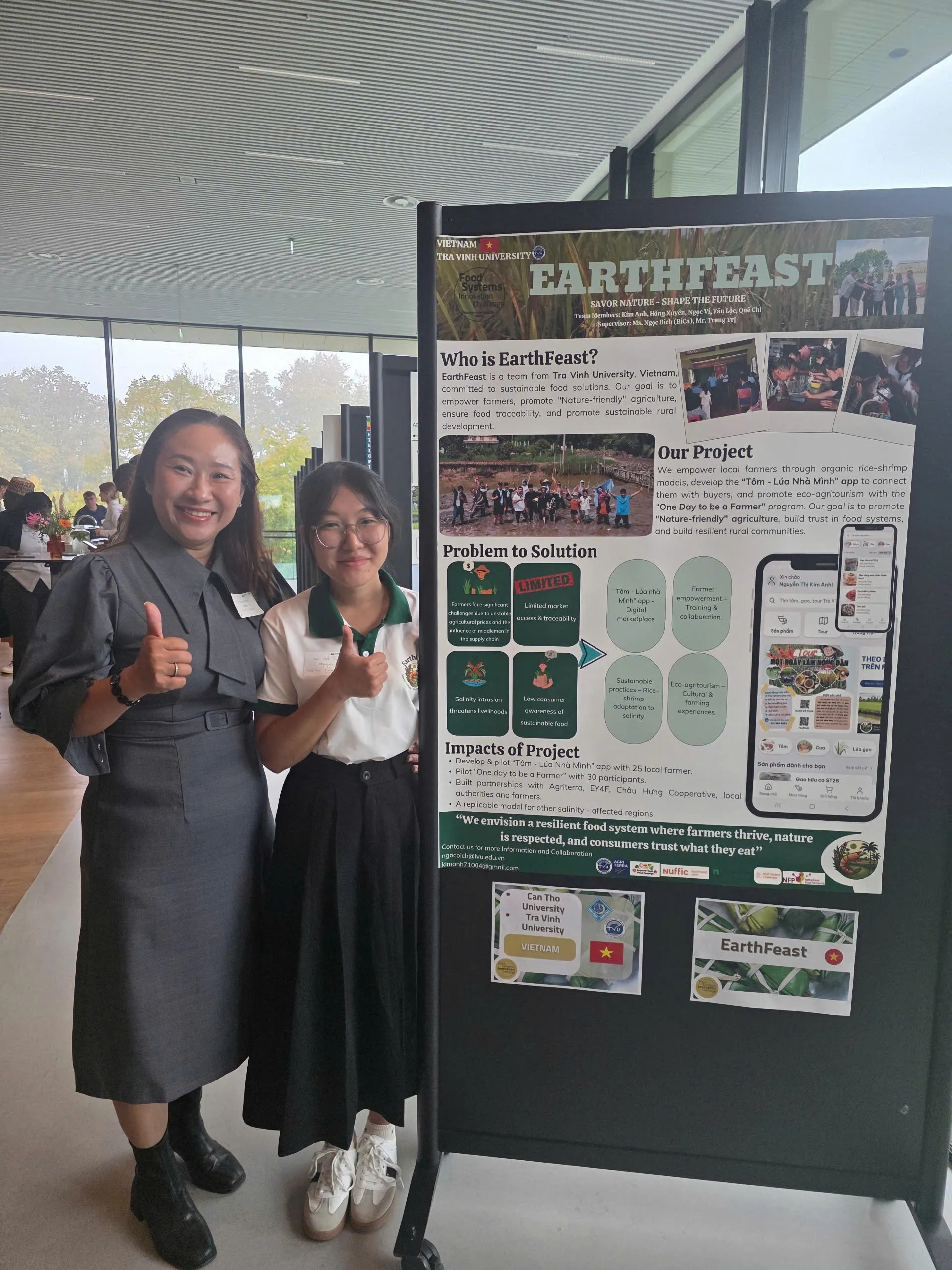
As an accompanying unit of the project, STARS Water Center continues to create opportunities for students to learn through real-world experiences, develop applied research thinking, and shape solutions that bring value to the community. This is also the direction pursued by the Center: connecting knowledge, technology, and practical action to help address challenges related to water, the environment, livelihoods, and climate change in the Mekong Delta.
Through initiatives such as EarthFeast, STARS Water Center continues to affirm its role as a learning, internship, research, and innovation environment for students, while also helping spread sustainable development solutions from Tra Vinh University to the wider community.
-600x400.jpg)